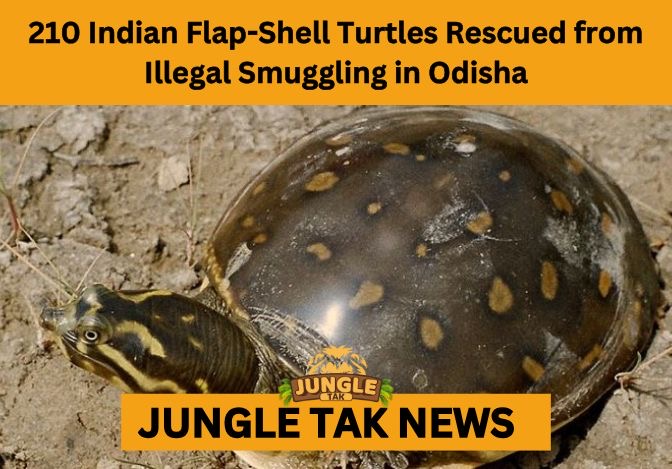

In a significant victory for wildlife conservationists, the Odisha Forest Department successfully intercepted a massive illegal shipment involving Indian flap-shell turtles. Acting on a precise intelligence tip-off, officials conducted a raid that led to the recovery of 210 live specimens packed into gunny bags. The operation, which took place in the early hours of the morning, highlights the persistent threat of wildlife trafficking in the region and the ongoing efforts to protect the Indian flap-shell turtles from organized smuggling syndicates.
The Details of the Odisha Rescue Operation
The rescue operation unfolded near the border regions of Odisha, a known transit point for illegal wildlife trade. Upon searching a suspicious vehicle, forest guards discovered the Indian flap-shell turtles hidden beneath layers of agricultural produce to evade detection at checkpoints. According to preliminary reports, the shipment was destined for neighboring states where the demand for these reptiles remains alarmingly high. This successful interception of Indian flap-shell turtles underscores the vigilance of local authorities in monitoring sensitive corridors used by traffickers.
Ecological Importance of the Species
The Indian flap-shell turtles (Lissemys punctata) are a freshwater species native to South Asia. Beyond their biological uniqueness, these turtles play a vital role in maintaining the health of aquatic ecosystems by consuming carrion and keeping water bodies clean. Despite their ecological value, Indian flap-shell turtles are frequently targeted by poachers because they are relatively easy to capture in ponds and slow-moving rivers. Protecting the Indian flap-shell turtles is not just about saving a single species but about preserving the balance of India’s freshwater habitats.
The Dark Side of the Illegal Turtle Trade
The primary driver behind the smuggling of Indian flap-shell turtles is the high demand in the illegal food and exotic pet markets. In many parts of Southeast Asia and certain Indian states, the meat of Indian flap-shell turtles is considered a delicacy, while their body parts are erroneously believed to have medicinal properties in traditional folk medicine. This relentless pursuit of Indian flap-shell turtles for profit has led to a sharp decline in their wild populations, forcing authorities to categorize them under protective schedules of the Wildlife Protection Act.
Health Assessment and Rehabilitation Efforts
Following the rescue, the 210 Indian flap-shell turtles were transported to a temporary rehabilitation center for medical evaluation. Veterinary experts noted that many of the turtles were showing signs of stress and dehydration due to the cramped and unhygienic conditions in which they were transported. The goal of the forest department is to stabilize these Indian flap-shell turtles before releasing them back into their natural habitats in protected water bodies. Ensuring the survival of these rescued Indian flap-shell turtles is a priority for the wildlife team involved in the recovery.
Legal Action and Enforcement Hurdles
Law enforcement agencies have registered a case under the Wildlife Protection Act, 1972, against the individuals involved in transporting the turtles. While one suspect has been taken into custody, investigators are working to trace the larger network of middlemen and buyers who fuel the trade of turtles. The challenges in curbing such crimes are immense, as traffickers often use remote rural networks to source Indian flap-shell turtles, making it difficult for the police to dismantle the entire supply chain at once.
The Road Ahead for Turtle Conservation
The recent rescue in Odisha serves as a stark reminder of the work that remains to be done in the field of wildlife protection. Conservationists argue that while seizures of Indian flap-shell turtles are a step in the right direction, long-term success requires stricter border controls and more robust public awareness campaigns. By educating local communities about the legal and environmental consequences of poaching Indian flap-shell turtles, authorities hope to dry up the source of the illegal trade.
CONTINUE READING WITH JUNGLETAK – RISING HUMAN-WILDLIFE CONFLICT
In conclusion, the recovery of 210 Indian flap-shell turtles is a testament to the bravery and dedication of Odisha’s forest officials. However, as long as a black market exists, the turtles will remain a target. It is imperative that the government and citizens work together to ensure that these ancient reptiles can thrive in the wild, free from the threat of being shoved into bags for illegal profit. The survival of the turtles depends on our collective resolve to end wildlife crime once and for all.