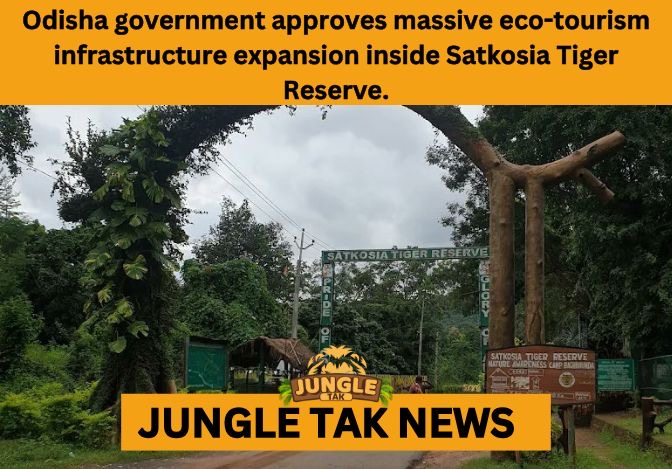

Satkosia eco-tourism expansion project
In a landmark decision aimed at positioning Odisha as a premier destination for nature lovers, the state government has officially approved a significant Satkosia eco-tourism expansion project. This ambitious initiative is set to transform the infrastructure within the Satkosia Tiger Reserve, one of India’s most stunning natural landscapes. By enhancing visitor facilities while maintaining a strict focus on environmental preservation, the government hopes to draw international attention to the unique biodiversity found where the Mahanadi River carves through the Eastern Ghats.
The primary objective of the Satkosia eco-tourism expansion is to upgrade existing nature camps and introduce luxury eco-cottages that allow tourists to immerse themselves in the wilderness. According to official reports, the expansion will include the development of elevated boardwalks, revamped interpretation centers, and better-equipped watchtowers. These upgrades are designed to provide a seamless experience for wildlife enthusiasts without encroaching upon the core habitats of the resident tiger and leopard populations.
A crucial component of this Satkosia eco-tourism expansion involves the active participation of local forest-dwelling communities. The Odisha government has consistently championed a community-led tourism model, where members of local Self-Help Groups (SHGs) are trained to manage hospitality services and act as certified nature guides. This approach ensures that the economic benefits of increased footfall are shared directly with the people living on the fringes of the reserve, fostering a sense of ownership over conservation efforts.
Environmentalists have noted that the Satkosia eco-tourism expansion must be executed with extreme sensitivity to the local ecosystem. To address these concerns, the infrastructure plan utilizes eco-friendly building materials and renewable energy sources, such as solar power, to minimize the carbon footprint of the tourist hubs. By implementing waste management systems and strict “no-plastic” zones, the forest department aims to prove that large-scale tourism can coexist with rigorous wildlife protection protocols.
The geographical highlights of the region, including the breathtaking 22-kilometer-long Mahanadi Gorge, will be the centerpiece of the Satkosia eco-tourism expansion. New river-viewing decks and regulated boating activities are being planned to allow visitors to witness the majestic mugger and gharial crocodiles in their natural habitat. By diversifying the activities available—from birding to stargazing—the state government hopes to extend the average duration of stay for travelers visiting the reserve.
In terms of connectivity, the Satkosia eco-tourism expansion includes the improvement of forest approach roads and the integration of digital booking systems. The government is investing in “smart tourism” features, such as QR-code-based information kiosks that provide real-time data about the flora and fauna of the reserve. These modern touches are expected to appeal to a younger demographic of eco-conscious travelers who prioritize both comfort and educational value during their wilderness retreats.
The timing of the Satkosia eco-tourism expansion aligns with Odisha’s broader strategy to diversify its tourism portfolio beyond temples and beaches. By highlighting the rugged beauty of the Satkosia Tiger Reserve, the state is tapping into the growing global demand for experiential travel. Officials believe that by showcasing the success of Satkosia, they can create a blueprint for sustainable development that can be replicated in other wildlife sanctuaries across the region.
Safety and security are also being prioritized within the framework of the Satkosia eco-tourism expansion. Enhanced patrolling and the installation of high-tech surveillance cameras around tourist zones will ensure the safety of both the visitors and the wildlife. Furthermore, the forest department is planning to conduct regular training workshops for staff to handle human-wildlife encounters professionally, ensuring that the increase in human presence does not lead to conflict with the tiger reserve’s apex predators.
As the construction phases of the Satkosia eco-tourism expansion begin, the government has invited environmental consultants to monitor the impact on the local water tables and soil health. This transparent approach is intended to build trust with stakeholders and ensure that the “eco” in eco-tourism remains a reality rather than just a marketing term. The project is expected to be completed in phases, with the first set of upgraded facilities likely to open to the public by the next winter peak season.
CONTINUE READING WITH JUNGLETAK – ASSAM MIGRATORY BIRD POISONING INCIDENT
Ultimately, the Satkosia eco-tourism expansion represents a vision of a future where nature and progress go hand in hand. By creating a world-class destination that honors the integrity of the tiger reserve, Odisha is setting a high standard for wildlife tourism in India. As more travelers flock to witness the sunrise over the Mahanadi Gorge, the success of this expansion will be measured by the flourishing of the forest and the prosperity of the communities that call it home.