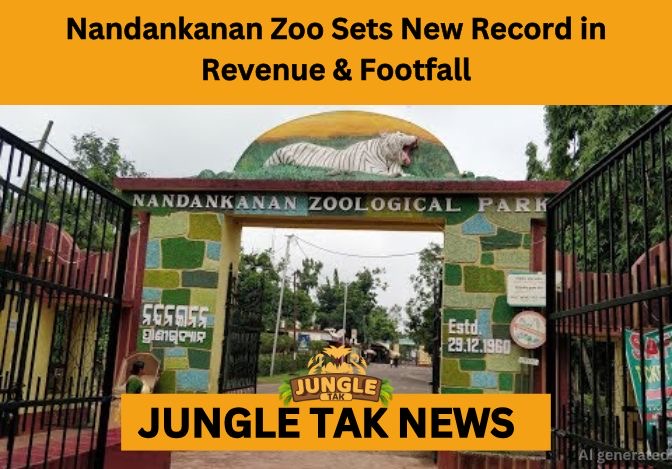

The Nandankanan Zoological Park, located on the outskirts of Bhubaneswar, has scripted a new chapter in its illustrious history by achieving a historic milestone in its financial and visitor statistics. According to the latest reports from the zoo administration, the sanctuary has surpassed all previous benchmarks, establishing a staggering new peak for Nandankanan Zoological Park revenue and footfall. This surge underscores the park’s growing reputation as a global hub for wildlife conservation and eco-tourism.
The official data released for the recently concluded peak season indicates that the zoo welcomed millions of nature enthusiasts from across the globe. This massive influx of tourists has directly contributed to a significant spike in Nandankanan Zoological Park revenue and footfall, proving that the facility remains the crown jewel of Odisha’s tourism sector. Authorities attribute this success to a combination of favorable weather conditions, improved animal exhibits, and enhanced visitor amenities.
A Financial Milestone for Odisha Tourism
The financial health of the park has never been more robust. The total earnings from entry tickets, battery-operated vehicle services, and the popular ropeway have reached an all-time high. This unprecedented rise in Nandankanan Zoological Park revenue and footfall provides the administration with the necessary capital to further invest in animal welfare and infrastructure development. The record-breaking figures are a testament to the effective management strategies implemented over the past year.
Analyzing the demographic trends, it is evident that both domestic and international tourists are flocking to the site in greater numbers than ever before. The strategic marketing of the zoo as a family-friendly educational destination has played a pivotal role in boosting the Nandankanan Zoological Park revenue and footfall. From school excursions to solo wildlife photographers, the diversity of visitors has expanded, ensuring a steady stream of income throughout the fiscal year.
Key Attractions Driving the Surge
One of the primary reasons for the record-breaking Nandankanan Zoological Park revenue and footfall is the addition of new species and the successful breeding programs of exotic animals. The presence of the iconic white tigers, melanistic tigers, and the Indian pangolin conservation center continues to be a major draw for the public. These unique biological assets differentiate Nandankanan from other zoos in the country, maintaining its competitive edge.
Furthermore, the revitalization of the safari experiences has significantly influenced the Nandankanan Zoological Park revenue and footfall. The lion safari and the herbivore safari offer visitors a chance to see animals in a near-natural habitat, which has become a social media sensation. The viral nature of visitor experiences shared online has acted as free promotion, attracting a younger audience to the park and increasing ticket sales.
Modernization and Digital Initiatives
The introduction of an efficient online ticketing system has streamlined the entry process, reducing long queues and enhancing visitor satisfaction. By making it easier for people to plan their visits, the administration has successfully managed the high Nandankanan Zoological Park revenue and footfall without compromising on the quality of the experience. Digital kiosks and mobile app integrations have also allowed the zoo to track visitor preferences more accurately.
In addition to digital upgrades, the physical infrastructure of the park has seen massive improvements. Upgraded pathways, better drinking water facilities, and eco-friendly transportation within the premises have made the park more accessible to senior citizens and children. These “visitor-first” policies have been instrumental in sustaining the growth of Nandankanan Zoological Park revenue and footfall during both weekdays and holidays.
Future Outlook and Expansion Plans
Looking ahead, the zoo authorities are planning to introduce a night safari and a state-of-the-art aquarium to further diversify the attractions. These upcoming projects are expected to maintain the upward trajectory of Nandankanan Zoological Park revenue and footfall for the coming years. By continuously evolving, the park ensures that repeat visitors always have something new to discover, securing its financial future.
The ecological impact of this success is equally important, as a portion of the increased earnings is being diverted toward forest conservation and the protection of endangered species. The synergy between high Nandankanan Zoological Park revenue and footfall and wildlife preservation creates a sustainable model for other zoological parks in India to follow. As the park continues to grow, it remains a symbol of Odisha’s commitment to nature and biodiversity.
CONTINUE READING WITH JUNGLETAK – JAIPUR PINK ELEPHANT CONTROVERSY
In conclusion, the record-breaking performance of the zoo reflects a perfect blend of conservation excellence and tourism management. The consistent rise in Nandankanan Zoological Park revenue and footfall not only boosts the local economy but also fosters a deeper connection between the public and the natural world. With ambitious plans on the horizon, Nandankanan is set to remain a premier destination for wildlife lovers for decades to come.