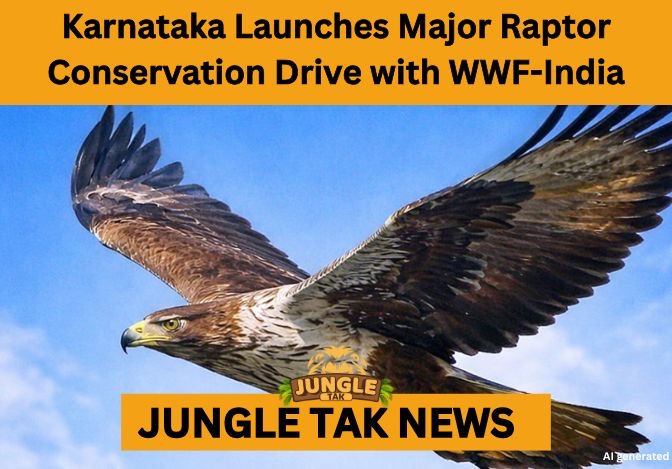

In a significant move toward preserving the state’s avian biodiversity, the Karnataka Forest Department, in collaboration with WWF India, has officially initiated a large-scale Karnataka raptor conservation drive. This initiative marks a turning point for the protection of birds of prey, such as eagles, hawks, and vultures, which serve as vital indicators of environmental health. By combining governmental resources with the technical expertise of WWF India, the state aims to create a sustainable roadmap for the survival of these magnificent hunters.
A Strategic Alliance for Biodiversity
The partnership between the state government and WWF India underscores the urgent need for professional intervention in wildlife management. The Karnataka raptor conservation drive is designed to address the declining populations of several raptor species that are currently threatened by habitat fragmentation and human interference. Through this alliance, conservationists will conduct extensive surveys to map nesting sites and identify critical habitats that require immediate legal protection and restoration.
Focusing on Apex Predators and Scavengers
Raptors play a non-negotiable role in maintaining the balance of our ecosystems. Vultures, for instance, act as nature’s primary scavengers, preventing the spread of diseases, while eagles and hawks control the populations of rodents and small mammals. The Karnataka raptor conservation drive prioritizes the protection of critically endangered species like the Indian Vulture and the White-rumped Vulture. By focusing on these apex predators, the project ensures that the entire food chain remains stable and resilient against environmental shifts.
Tackling the Threats: Poisoning and Habitat Loss
One of the primary objectives of this initiative is to mitigate the anthropogenic threats that have decimated raptor numbers over the last few decades. The Karnataka raptor conservation drive will specifically target the illegal use of Diclofenac in livestock, a veterinary drug that is lethal to vultures. Additionally, the project aims to address the rising instances of raptor electrocution caused by uninsulated power lines in rural areas, which has become a major cause of mortality for large soaring birds.
Science-Led Monitoring and GPS Tracking
To ensure the success of this mission, the Forest Department is integrating modern technology into its field operations. Under the Karnataka raptor conservation drive, experts plan to use satellite telemetry and GPS tagging to track the migratory patterns and daily movements of select raptor species. This data-driven approach allows researchers to understand where these birds face the most danger, enabling the government to implement localized “vulture safe zones” and protected corridors.
Community Involvement and Citizen Science
Conservation cannot succeed in a vacuum, and this project places a heavy emphasis on the role of local communities. The Karnataka raptor conservation drive includes comprehensive awareness programs for farmers and villagers living near raptor habitats. By educating the public on the benefits of having birds of prey on their lands—such as natural pest control—the drive fosters a sense of stewardship among the local population, turning citizens into the first line of defense for these birds.
Protecting Karnataka’s Diverse Landscapes
Karnataka’s unique geography, ranging from the dense forests of the Western Ghats to the rocky outcrops of the Deccan Plateau, provides a diverse range of habitats for various raptors. The Karnataka raptor conservation drive is strategically spread across these different zones, ensuring that both forest-dwelling species and those adapted to arid plains receive equal attention. Areas like Ramanagara, famous for its vulture sanctuary, will serve as focal points for intensive conservation efforts and research.
A Future-Ready Approach to Conservation
As climate change continues to alter migration patterns and food availability, proactive measures are more important than ever. The Karnataka raptor conservation drive represents a forward-thinking approach that looks beyond immediate protection toward long-term population recovery. By securing the future of raptors, Karnataka is not only saving individual species but is also safeguarding the ecological services that these birds provide to the human population and the agricultural sector.
CONTINUE READING WITH JUNGLETAK – USLP RESOLUTION
A Model for Other States
The launch of this initiative sets a high benchmark for wildlife protection in India. The Karnataka raptor conservation drive demonstrates how state-led policy and NGO expertise can come together to solve complex ecological challenges. As the project moves into its implementation phase, it is expected to serve as a blueprint for other states to follow, ensuring that the majestic sight of raptors soaring in the Indian skies remains a reality for generations to come.