
A Critical Intervention in the Hills
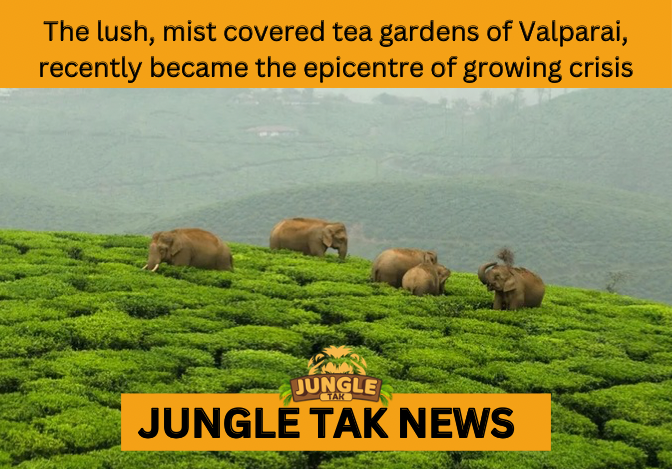
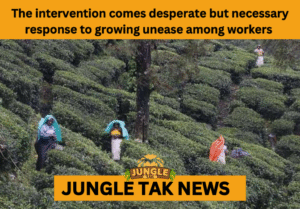
VALPARAI: The lush, mist-covered tea gardens of Valparai in Tamil Nadu have long been a picturesque symbol of the Western Ghats, but recently they have become the epicenter of a growing crisis. In December 2025, following a series of tragic incidents involving leopards and sloth bears, the Tamil Nadu Forest Department constituted a high-level six-member committee to address the escalating issue. The panel has now laid out a comprehensive set of measures aimed at mitigating human wildlife conflict in the region. This intervention comes as a desperate but necessary response to the growing unease among plantation workers and residents who live in close proximity to the Anamalai Tiger Reserve.
The Trigger: A Tragedy Too Many
The formation of this special committee was precipitated by a heart-wrenching incident earlier this month, where a five-year-old boy was fatally attacked by a leopard at the Iyerpadi Tea Estate. This marked the third death of a child in the region within just seven months, highlighting the severity of the human wildlife conflict gripping the plateau. The recurring nature of these attacks, particularly against the children of migrant workers, sparked public outrage and demanded immediate governmental action. The panel’s primary mandate is to move beyond temporary fixes and establish a robust, long-term framework to ensure that the coexistence of people and animals does not result in lethal human-wildlife conflict.
A Multi-Stakeholder Approach
Headed by S. Rama Subramanian, the Additional Principal Chief Conservator of Forests, the committee represents a significant shift towards a collaborative governance model. It includes key figures such as the Pollachi Sub-Collector, the Deputy Director of the Anamalai Tiger Reserve, and the Valparai Municipal Commissioner. Crucially, the inclusion of scientists from the Nature Conservation Foundation (NCF) ensures that the strategies to tackle human-wildlife conflict are grounded in scientific data rather than just administrative convenience. By bringing together revenue, police, labor, and forest departments, the state acknowledges that human-wildlife conflict is not just an animal issue, but a complex socio-economic challenge.
Infrastructure as the First Line of Defense
One of the panel’s most immediate and practical directives focuses on the living conditions of estate workers. During their inspections, the committee identified that poor infrastructure in labor lines—specifically the lack of functional toilets and adequate street lighting—forces residents to venture out into the dark, significantly increasing their vulnerability to predators. To combat this aspect of human-wildlife conflict, the committee has ordered estate managements to immediately repair restrooms and install high-mast lights in residential colonies. Ensuring that workers have safe, well-lit facilities within their housing clusters is a fundamental step in reducing the chance encounters that lead to human-wildlife conflict.
Clearing the Green Blind Spots
Visibility is survival in the dense terrain of the Western Ghats. The committee has issued strict instructions to clear unchecked vegetation and bushes for up to 30 to 40 feet around worker quarters. These “green blind spots” often serve as camouflage for leopards and sloth bears, allowing them to approach human habitations undetected. By creating these buffer zones, the Forest Department aims to give residents valuable reaction time, which is often the difference between a safe retreat and a fatal instance of human wildlife conflict. This measure reflects a practical understanding of animal behavior, denying predators the cover they need to stalk prey near human settlements, thereby de-escalating human wildlife conflict.
The Waste Management Connection
A less obvious but equally critical driver of animal activity in residential areas is waste management. The panel noted that open dumping of garbage and food waste by the municipality and tea estates acts as a magnet for wild boars and stray dogs, which in turn attract larger predators like leopards. To break this food chain and curb human wildlife conflict, the Municipal Commissioner has been directed to enforce a rigorous waste clearance schedule. The prompt removal of garbage prevents the accumulation of scents that draw wildlife out of the forest and into the streets, addressing a root ecological cause of human wildlife conflict.
Protecting the Most Vulnerable
A significant portion of the workforce in Valparai consists of migrant laborers from states like Assam and Jharkhand, who may not be familiar with the behavior of local wildlife. The language barrier often renders traditional awareness campaigns ineffective. Recognizing this, the committee has recommended that education and awareness programs regarding human wildlife conflict be conducted in the native languages of these workers. By empowering the community with knowledge—such as avoiding movement at dawn and dusk—the state hopes to build a knowledgeable workforce capable of navigating the landscape safely, thus reducing the statistical probability of human wildlife conflict.
Technology and Monitoring
The panel is also looking to leverage modern technology to safeguard the plateau. Recommendations include the installation of 360-degree night-vision cameras equipped with AI alerting systems in high-risk zones. These systems can detect animal movement and trigger early warnings, giving forest rapid response teams a head start. Furthermore, the committee discussed the efficacy of “virtual fences” and automated SMS alert systems, which have been piloted by the NCF. Integrating these technological solutions into the standard operating procedure provides a digital shield for the community, modernizing the fight against human wildlife conflict.
CONTINUE READING WITH JUNGLETAK – HIGH COURT ORDERS CRACKDOWN ON ILLEGAL FISHING
A Race Against Time
As the committee finalizes its report for submission to the state government within the 15-day deadline, the atmosphere in Valparai remains tense but hopeful. The measures outlined—ranging from bush clearing and better lighting to waste management and migrant safety—represent a holistic attempt to reset the balance in the hills. However, the success of these initiatives depends on rigorous implementation by the estate owners and the municipality. For the people of Valparai, this report is not just paperwork; it is a lifeline. If executed effectively, these strategies could serve as a model for the rest of India, proving that with the right will and science, human wildlife conflict can be managed, if not entirely eliminated.