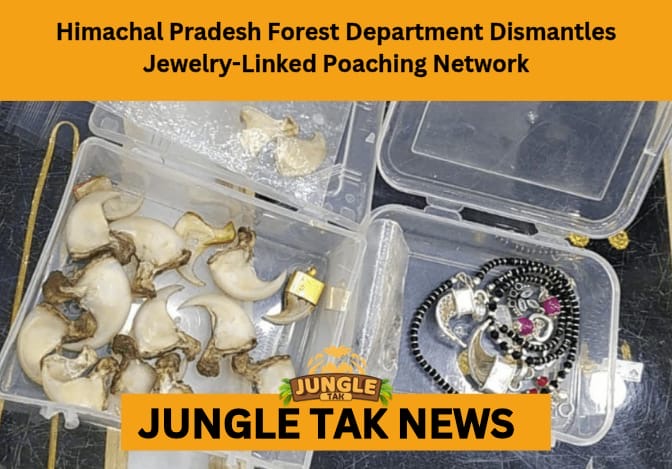

In a landmark operation for wildlife conservation in Northern India, the Himachal Pradesh Wildlife Department has successfully dismantled a sophisticated and clandestine Himachal Pradesh poaching network. This operation, which spanned several weeks of intelligence gathering and tactical raids, has exposed a disturbing link between the illegal killing of endangered species and the high-end jewelry market. By intercepting this supply chain, authorities have dealt a massive blow to organized environmental crime in the Himalayan region.
The investigation into the Himachal Pradesh poaching network began following a series of anonymous tips and forensic leads that suggested a surge in leopard poaching activities across the districts of Shimla, Mandi, and Kullu. Unlike traditional poaching rings that often export raw skins to international markets, this specific group had developed a localized yet highly lucrative niche. They were specializing in the extraction of leopard claws, teeth, and whiskers, which were then being integrated into gold and silver jewelry, often sold as “good luck charms” or status symbols.
The Shocking Link to the Jewelry Industry
The most alarming aspect of this Himachal Pradesh poaching network was its direct collaboration with certain unscrupulous jewelers. These artisans were found to be purchasing wildlife parts to create bespoke ornaments, hidden away from public view. During the raids, officials discovered that the demand for “Nakh” (leopard claws) mounted in gold pendants was a primary driver for the killing of these majestic big cats. This commercialization of endangered species parts highlights a dangerous trend where traditional beliefs are exploited for criminal profit.
During the coordinated raids conducted across multiple hideouts, the authorities recovered a staggering amount of contraband tied to the Himachal Pradesh poaching network. The seizures included processed leopard skins, several kilograms of animal bones, and dozens of extracted claws ready for mounting. Furthermore, the department seized specialized trapping equipment and modified firearms, indicating that the syndicate was well-funded and technically proficient in navigating the rugged terrain of the state’s high-altitude forests.
Legal Consequences and Regulatory Action
Following the successful bust, several key kingpins and middlemen associated with the Himachal Pradesh poaching network were apprehended and booked under the stringent provisions of the Wildlife Protection Act, 1972. The State Forest Department, in collaboration with the local police, is now scanning bank records and digital footprints to trace the financial flow of the operation. Officials have emphasized that anyone found wearing or possessing jewelry made from illegal wildlife parts will also face severe legal scrutiny, as “demand reduction” is critical to stopping such crimes.
From an ecological perspective, the dismantling of this Himachal Pradesh poaching network is a vital victory for the state’s biodiversity. Leopards are apex predators that play a crucial role in maintaining the health of the forest ecosystem by controlling the population of herbivores. The systematic removal of these animals by poachers disrupts the natural balance, leading to increased human-wildlife conflict and a decline in the overall health of the Himalayan wilderness. This crackdown ensures that the remaining leopard populations can thrive without the constant threat of snares and traps.
Strengthening Surveillance for the Future
To ensure that no other Himachal Pradesh poaching network rises to take the place of the dismantled group, the state government has announced a series of preventative measures. These include the deployment of high-tech drone surveillance in sensitive corridors and the strengthening of the “Anti-Poaching Squad.” There is also a renewed focus on community-led conservation, where local villagers are incentivized to act as the “eyes and ears” of the forest department, reporting suspicious movements in real-time to prevent crimes before they occur.
CONTINUE READING WITH JUNGLETAK – TRAGEDY IN THE TERAI
In conclusion, the successful operation against this Himachal Pradesh poaching network serves as a stern warning to those who seek to profit from the destruction of India’s natural heritage. The fusion of traditional poaching with modern jewelry manufacturing represents a complex challenge, but the proactive stance taken by the Himachal Pradesh authorities demonstrates a commitment to zero tolerance for wildlife crime. Moving forward, the focus will remain on thorough prosecution and public awareness to ensure that the beauty of the Himalayas is protected for generations to come.