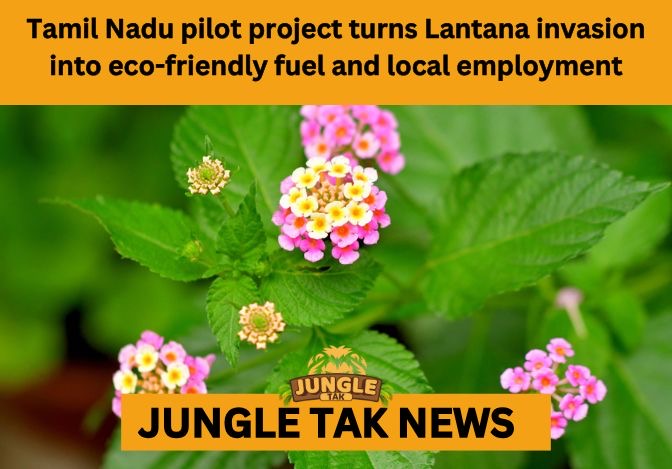

Lantana camara eco-fuel
Tamil Nadu is setting a global benchmark in ecological restoration and rural development through a pioneering pilot project that tackles one of the world’s most aggressive invasive species. By transforming the toxic Lantana camara shrub into a viable energy source, the state government is addressing a massive biodiversity threat. This initiative focuses on the production of Lantana camara eco-fuel, a move that promises to restore native forests while providing a steady stream of income for forest-dwelling communities.
The Growing Threat of Invasive Lantana in Tamil Nadu
For decades, Lantana camara has been a persistent nightmare for conservationists in the Western and Eastern Ghats. This invasive weed suppresses the growth of native flora, reduces fodder for herbivores, and increases the intensity of forest fires. The introduction of the Lantana camara eco-fuel initiative serves as a strategic intervention to reclaim these lost hectares of forest land. By incentivizing the removal of this weed, the project ensures that the ecosystem can breathe again while the harvested biomass is put to productive use.
The Innovation: Converting Biomass into Briquettes
The core of this pilot project lies in its technological approach to waste-to-energy conversion. The harvested woody stems of the plant are processed, crushed, and compressed into high-caloric briquettes or pellets. This Lantana camara eco-fuel serves as an excellent alternative to traditional coal or firewood for industrial boilers and domestic stoves. Because the briquettes have low moisture content and high density, they offer a cleaner burn, significantly reducing the carbon footprint compared to conventional fuels.
Empowering Tribal Communities through Local Employment
Beyond the environmental benefits, the project is a significant driver of socio-economic change for local tribal and forest-fringe communities. Tribal cooperatives and self-help groups are being trained to harvest, process, and market the Lantana camara eco-fuel. This creates a decentralized circular economy where the people most affected by the invasion become the primary beneficiaries of its removal. By providing fair wages and steady work, the project reduces the community’s dependence on seasonal forest produce and migration.
The Path Forward: Restoring Biodiversity and Global Standards
Looking ahead, the long-term ecological impact of this initiative extends far beyond energy production. As the dense thickets of Lantana are cleared, native grass and indigenous tree species have the opportunity to regenerate, restoring the natural balance of the habitat. This restoration directly benefits wildlife, such as elephants and deer, by improving their grazing grounds and reducing human-wildlife conflict. The integration of Lantana camara eco-fuel into the mainstream energy market not only supports the state’s climate goals but also establishes a blueprint for global conservation. By valuing what was once considered waste, Tamil Nadu is leading a green revolution that honors both nature and human ingenuity.
Scaling the Green Revolution for a Cleaner Future
The success of this pilot project in Tamil Nadu provides a scalable model that can be replicated across other Indian states struggling with invasive species. As the demand for renewable energy rises, the production of Lantana camara eco-fuel offers a dual solution: it cleans up our forests and powers our industries. Experts believe that with further investment in machinery and logistics, this “weed-to-wealth” model could become a cornerstone of India’s transition toward a bio-based economy.
CONTINUE READING WITH JUNGLETAK – NEW RAMSAR SITES IN INDIA
A Win-Win for Nature and People
The Tamil Nadu pilot project proves that environmental challenges can be turned into economic opportunities with the right policy framework. By prioritizing the production of Lantana camara eco-fuel, the state is not just removing a botanical invader but is also fueling a greener future. This holistic approach ensures that biodiversity is protected, carbon emissions are mitigated, and local livelihoods are secured, making it a true victory for sustainable development.