
Significant Instances of Vulture Deaths near Dudhwa
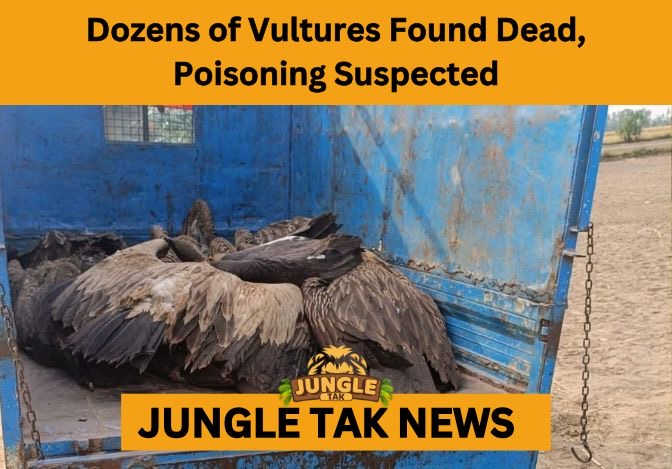
A grim atmosphere has descended upon the Terai region as authorities investigate the tragic discovery of dozens of vultures found dead on the fringes of the Dudhwa Tiger Reserve in Uttar Pradesh. The incident, which took place in the buffer zone areas, has sent shockwaves through the wildlife community, given the proximity to one of India’s most vital biodiversity hotspots. Initial assessments point toward a massive case of secondary poisoning, marking one of the most significant instances of vulture deaths near Dudhwa in recent years.
Forest officials were alerted to the scene by local villagers who spotted a cluster of motionless birds near a cattle carcass. Upon arrival, the team recovered the bodies of several Himalayan Griffons, a species that is highly susceptible to toxins present in the food chain. The sudden nature of these vulture deaths near Dudhwa suggests that the birds fed on a contaminated source, leading to rapid systemic failure and a high mortality rate within the colony.
The Deadly Connection to Human-Wildlife Conflict
Investigators believe the poisoning was not directed at the birds themselves but was likely a case of retaliatory poisoning intended for other predators. Farmers in the areas surrounding the reserve often lace livestock carcasses with pesticides to target stray dogs or wild boars that threaten their crops and cattle. Unfortunately, as nature’s primary scavengers, vultures are the first to arrive at these “death baits,” leading to accidental yet catastrophic vulture deaths near Dudhwa.
This practice of using organophosphates or carbamates to resolve local conflicts continues to be a major hurdle for conservationists. Despite being a protected zone, the porous boundaries of the forest mean that toxins used on nearby farmland easily enter the wild food web. The occurrence of these vulture deaths near Dudhwa highlights the desperate need for stricter regulation of agricultural chemicals in the vicinity of tiger reserves and wildlife sanctuaries.
Ecological Fallout in a Tiger Landscape
The loss of these birds is particularly concerning because of the role they play within the Dudhwa ecosystem. Vultures act as the ultimate cleaning crew, removing rotting meat that could otherwise become a breeding ground for pathogens. With the recent spike in vulture deaths near Dudhwa, there is a growing fear that the lack of scavengers will lead to an increase in diseases like anthrax and tuberculosis, which could eventually spread to the reserve’s tiger and leopard populations.
Furthermore, vultures are a “sentinel species,” meaning their health reflects the health of the overall environment. When we witness mass vulture deaths near Dudhwa, it serves as a warning that the soil and water in the Terai region may be contaminated with lethal substances. For a landscape that supports endangered megafauna, the disappearance of these avian scavengers is a red flag that the entire ecological balance is under threat.
Legal Investigation and Forensic Analysis
The Uttar Pradesh Forest Department has taken a stern view of the incident, registering a case against unidentified individuals under the Wildlife Protection Act, 1972. Carcasses have been sent to the Indian Veterinary Research Institute (IVRI) in Bareilly to confirm the exact nature of the toxin. By conducting a detailed forensic trail, officials hope to identify the source of the poison and prevent further vulture deaths near Dudhwa before the migratory season concludes.
Field monitors and forest guards have also intensified patrolling in the fringe villages to ensure no other poisoned carcasses are left in the open. Law enforcement agencies are working to trace the local sale of restricted pesticides, as curbing the availability of these chemicals is the only way to stop the recurring cycle of vulture deaths near Dudhwa. Those found guilty of poisoning wildlife in such sensitive zones face the highest degree of legal penalties, including non-bailable warrants.
A Call for Community-Led Conservation
To truly protect these birds, the solution must involve the people living on the edges of the forest. Awareness programs are being launched to teach villagers about the importance of vultures and the dangers of using poison as a tool for pest control. If the local community understands that vulture deaths near Dudhwa directly impact their own health and the safety of their livestock, they are more likely to adopt safer carcass disposal methods.
CONTINUE READING WITH JUNGLETAK – SUCCESS OF ELEPHANT UNDERPASS
The long-term survival of the Himalayan Griffon and the White-rumped vulture depends on creating “poison-free” zones around our national parks. While the current tragedy is a significant blow, it also serves as a catalyst for a more robust conservation strategy. Preventing future vulture deaths near Dudhwa will require a synchronized effort between foresters, veterinarians, and farmers to ensure that the skies above the Terai remain a safe haven for these majestic and essential birds.