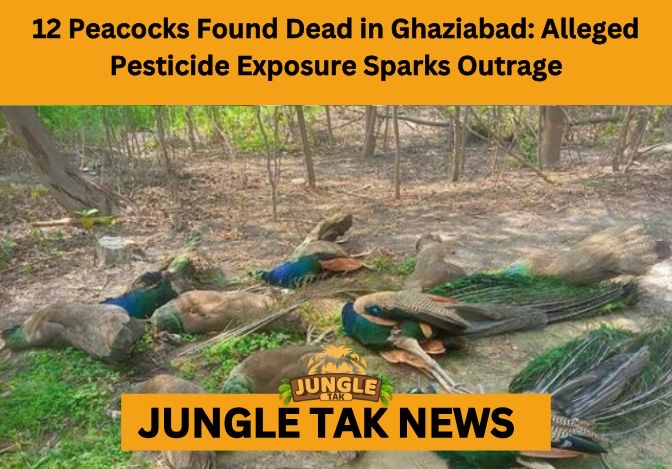

In a devastating blow to local biodiversity, the national bird of India has faced a tragic mass mortality event in the state of Uttar Pradesh. The news of 12 peacocks found dead in Ghaziabad has sent shockwaves through the community, particularly in the Loni region where these birds were once a common and beloved sight. Environmentalists and wildlife enthusiasts are calling for immediate action as preliminary evidence suggests that chemical toxicity may be the silent killer behind this ecological disaster.
Local farmers were the first to witness the harrowing scene early Tuesday morning when they stumbled upon the lifeless bodies scattered across agricultural fields. The report of 12 peacocks found dead in Ghaziabad quickly reached the local police and the Forest Department, who arrived to find the birds in unnatural positions, indicating a sudden and painful end. This incident has transformed a routine farming day into a potential crime scene investigation, as authorities scramble to determine the exact source of the tragedy.
Suspected Pesticide Exposure in Agricultural Zones
Expert veterinarians who conducted the initial onsite inspection suspect that the birds fell victim to acute chemical exposure. It is highly likely that the 12 peacocks found dead in Ghaziabad ingested grain that had been heavily treated with pesticides or insecticides, a common practice during the current sowing season to protect crops from rodents and insects. While these chemicals are intended to protect the livelihood of farmers, their unintended impact on non-target species like the peacock highlights a dangerous gap in agricultural safety protocols.
The environmental footprint of this incident extends beyond the immediate loss of life, raising questions about soil and water contamination in the Loni area. The discovery of 12 peacocks found dead in Ghaziabad suggests that the concentration of toxins used in the vicinity was high enough to kill large birds almost instantly. This has led to mounting concerns among local residents regarding the long-term health effects of these chemicals on other domestic animals and potentially the human population residing near these fields.
Legal Implications and the Wildlife Protection Act
Because the peacock is protected under Schedule I of the Indian Wildlife Protection Act (1972), the legal stakes of this case are incredibly high. The authorities are treating the instance of 12 peacocks found dead in Ghaziabad with the same severity as they would the poaching of a tiger or an elephant. If forensic evidence proves that the poisoning was a deliberate act by landowners to protect their crops from foraging birds, the perpetrators could face up to seven years of rigorous imprisonment and substantial fines.
To ensure a scientifically backed investigation, the carcasses have been transported to a specialized laboratory in Bareilly for a comprehensive post-mortem examination. The results of these tests are crucial to confirming the exact nature of the toxin that led to 12 peacocks found dead in Ghaziabad. Until the toxicology report is released, the Forest Department has urged the public to refrain from unverified speculation, though the physical symptoms observed at the scene—such as foam at the beak—strongly point toward organophosphate poisoning.
Community Outrage and Demands for Justice
Public fury has intensified as news of the tragedy spread across social media platforms, with many demanding stricter regulations on the sale of hazardous agricultural chemicals. The sight of 12 peacocks found dead in Ghaziabad has become a rallying cry for animal rights activists who argue that the “national bird” deserves better protection from the side effects of modern industrial farming. Small vigils have been held in local villages, where the birds were considered a symbol of pride and a vital part of the natural heritage.
Moving forward, agricultural experts are advocating for a shift toward “wildlife-safe” fertilizers and bio-pesticides to prevent such catastrophic events from recurring. The tragedy of 12 peacocks found dead in Ghaziabad serves as a stark reminder of the fragile balance between human food security and wildlife conservation. Without integrated pest management systems that account for local fauna, the conflict between human utility and nature’s survival will only continue to escalate in peri-urban areas.
CONTINUE READING WITH JUNGLETAK – THAILAND TIGER VIRUS OUTBREAK
As the investigation into the 12 peacocks found dead in Ghaziabad continues, the focus remains on securing justice for these majestic creatures. The incident has highlighted the urgent need for better patrolling and community education regarding the legal status of protected species. Ensuring a safer habitat for the national bird is not just a legal obligation but a moral one, ensuring that the vibrant colors of the peacock remain a permanent fixture of India’s rural and semi-urban landscapes.